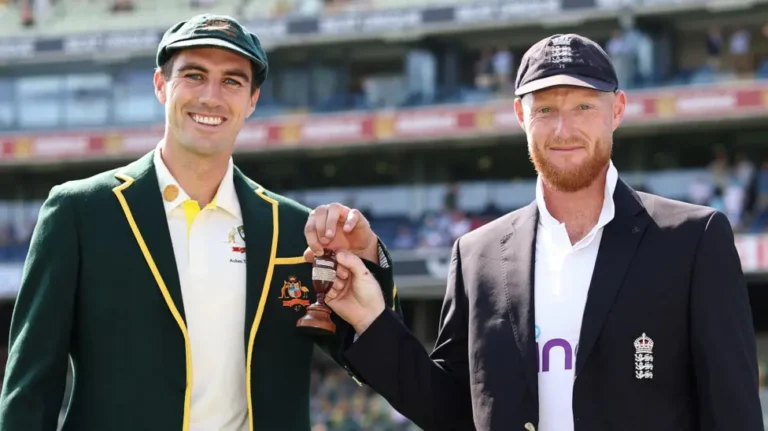
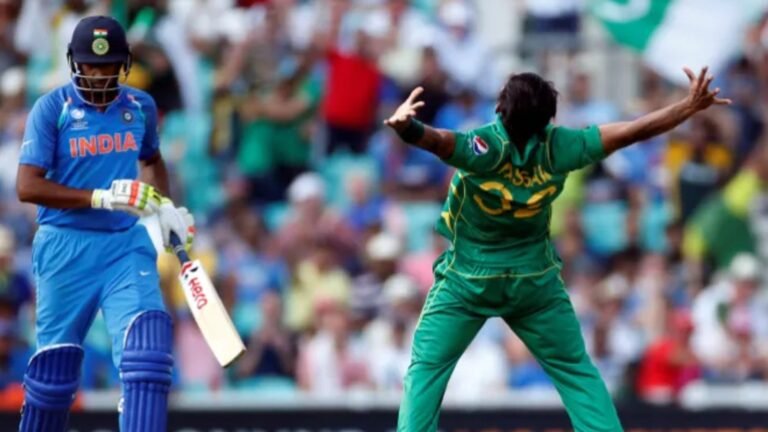
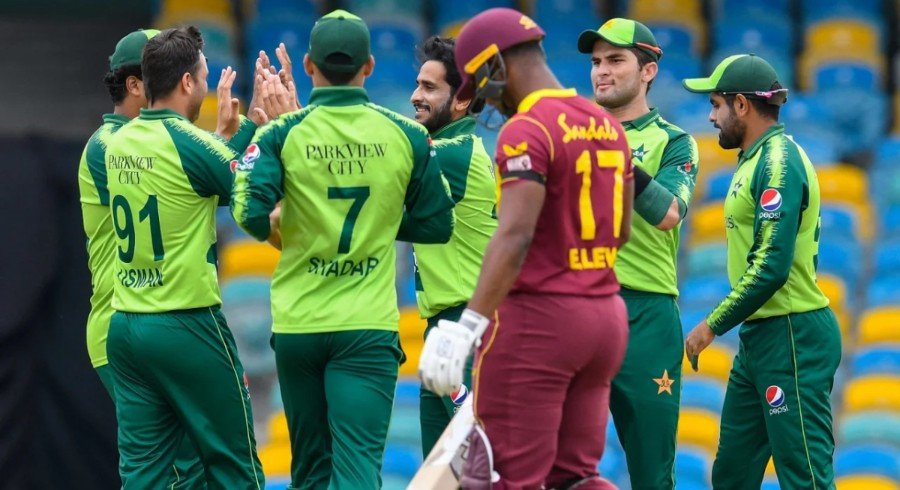
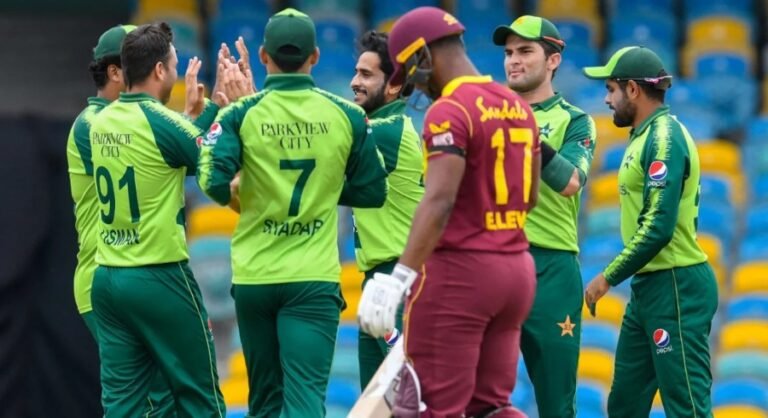
Cricket is often described as a captains game. Unlike many other sports where the coach or manager plays a central role during gameplay, cricket puts the onus on the captain to control the game’s direction in real time. The tactical decisions made by captains can significantly influence the outcome of a match, and understanding the dynamics behind those decisions offers deep insights into the sport’s complexity.
This article explores how captains make tactical decisions during a match, considering various formats, match situations, team dynamics, pitch and weather conditions, opposition analysis, and psychological factors.
The Role of the Captain in Cricket
A cricket captain is more than just a leader; they are a strategist, motivator, and decision-maker on the field. Unlike sports where time-outs are frequent or substitutions change the dynamic regularly, cricket demands constant assessment and adjustment from the captain without the aid of frequent off-field consultation.
The captain is responsible for:
- Setting field placements
- Making bowling changes
- Deciding the batting order
- Reading pitch and weather conditions
- Managing player emotions and morale
- Communicating with umpires and opponents
- Adjusting strategies based on game flow
In essence, the captain operates as the on-field manager, making decisions that must balance intuition, data, experience, and situational awareness.
Toss and Pitch Assessment
The first critical decision a captain makes is at the toss. Depending on the pitch condition, weather forecast, and team strengths, captains decide whether to bat or bowl first. For instance, on a dry, crumbling pitch expected to deteriorate, captains often choose to bat first. On overcast days with green tops, bowling first is usually preferred.
This decision is crucial and involves:
- Reading the pitch: Is it dry, green, hard, or dusty?
- Weather analysis: Will it rain later? Will dew affect bowlers at night?
- Team composition: Does the team have strong chasers or good defenders?
- Opposition weaknesses: Are they vulnerable to early swing or spin?
-
Team Selection and Strategy
Before the match begins, the captain and coaching staff collaborate to pick the playing XI. Tactical decisions include:
- Going with extra pacers or spinners
- Strengthening the batting depth or bowling variety
- Choosing between experience and youth
- Analyzing opposition batsmen or bowlers
Captains also develop match scenarios during pre-game meetings—how to attack early wickets, when to deploy spinners, or how to use power-hitters strategically.
-
Tactical Field Placements
Field placements are one of the most visible and crucial tactical decisions made during a match. Captains adjust the field constantly based on:
-
Bowler Type
Fast bowlers and spinners require different fields. For example:
- For a fast bowler targeting outswingers, a captain might place multiple slips and a gully.
- For a spinner bowling into the rough, a leg slip, silly point, and short leg may be introduced.
-
Batsman’s Strengths and Weaknesses
Captains study batsman tendencies through data or observation:
- A batsman who loves to drive might be tempted into an off-side trap.
- Someone weak on the short ball might face a bouncer barrage with fielders on the leg side.
-
Match Format
In Test matches, aggressive fields can be maintained longer to force wickets. In T20s, captains often prioritize boundary prevention:
- In the powerplay, just two fielders can be outside the circle, so captains have to decide whether to attack or defend.
- Middle overs: Use of spinners, defensive field sets to choke runs.
- Death overs: Placements to block big shots deep midwicket, long-off, long-on, third man.
-
Game Situation
Field settings shift dramatically based on the scoreboard:
- Defending 100 in a T20: Tight ring field to build pressure.
- Chasing 400 in a Test with 3 wickets remaining: Spread field, defensive strategy.
Captains constantly communicate with bowlers and wicketkeepers to tweak positions after every ball, using instinct, planning, and situational awareness.
-
Bowling Changes and Rotation
Bowling changes are among the most critical tactical moves captains make. They must balance wicket-taking intent with run control and workload management.
-
Reading the Batsman
Captains rotate bowlers based on how batsmen are responding:
- If a batsman is dominating pace, a switch to spin may slow scoring.
- If a batsman struggles with bounce or swing, the captain might persist with seamers.
-
Over-by-Over Strategy
In limited-overs cricket:
- Front-load strike bowlers to attack during the powerplay.
- Use part-timers or spinners in middle overs to conserve premium bowlers.
- Save key bowlers for death overs.
In Tests:
- Long spells are used to wear down batsmen.
- Bowlers are rotated for freshness and rhythm.
-
Pitch and Conditions
If the pitch is breaking up or assisting spin, captains introduce spin early. On green tops, seamers bowl long spells. When reverse swing is available, certain bowlers are saved to exploit it.
-
Match Awareness
Captains make changes to break partnerships or change momentum:
- Bringing back a strike bowler after a long stand.
- Using a surprise bowler like a part-time spinner.
- Keeping a left-arm option to break a right-handers’ rhythm.
-
Batting Order Flexibility
While the top order is generally fixed, captains often make dynamic changes in the middle order based on game situations:
-
Promoting Aggressive Batsmen
- In T20s, a captain may send a finisher like Andre Russell or Glenn Maxwell earlier if quick runs are needed.
- In ODIs, a pinch-hitter might be sent at number 3 to capitalize on powerplay overs.
-
Shielding Certain Batsmen
- Against a particular bowler or condition (e.g., spin in Asia), captains may delay sending out a vulnerable batter.
-
Left-Right Combinations
Maintaining a left-right pair can disrupt a bowler’s rhythm and field placements. Captains make tactical changes to ensure this balance.
-
Managing Pressure Situations
Captains must remain calm under pressure and make decisions that may not always be popular but are necessary for the team’s success:
-
Handling Close Finishes
In last-over thrillers, captains decide:
- Who bowls the final over
- Field placements for specific batsmen
- How to communicate under pressure
Great captains stay composed and inspire confidence in their players.
-
DRS Usage
In modern cricket, captains must also wisely use the Decision Review System (DRS). Misusing it can cost a wicket later. Good captains:
- Consult with wicketkeepers and bowlers before deciding.
- Use DRS when the match situation warrants a bold call.
-
Reading the Opposition
Top captains spend time studying their opposition’s patterns and personalities. Tactical decisions are often rooted in:
- Previous matchups (e.g., a bowler having dismissed a batter multiple times)
- Mental games (setting odd fields to create doubt)
- Tracking fatigue and focus in players
For example, MS Dhoni was known for recognizing when a batter was becoming restless and would set traps accordingly. Similarly, Steve Waugh famously used psychological tactics to unsettle opponents before a ball was bowled.
-
Adapting to Match Formats
Each format demands a different tactical mindset:
- Emphasis on patience, wearing down batsmen, and taking 20 wickets
- Captains use attacking fields for longer periods
- Greater need for workload management
- Balance between aggression and containment
- Powerplays demand creative fielding and bowling strategies
- Bowlers and batsmen are rotated tactically around the 40-over mark
- Rapid-fire decisions required every over
- Captains use data analytics heavily for matchups
- Innovation, such as using spinners in powerplays or changing the batting order, is common
-
Psychological Tactics and Leadership
Great captains understand the importance of motivation and mental strength. Tactical decisions often involve:
- Backing an out-of-form player to give them confidence
- Putting an arm around a struggling bowler
- Aggressive body language to intimidate the opponent
- Subtle sledging or strategic breaks to disrupt rhythm
Captains like Ricky Ponting, Imran Khan, and Virat Kohli have led by example and used mental fortitude to influence tactical calls.
-
Use of Technology and Analytics
Modern captains rely on advanced data:
- Heatmaps of batsmen’s scoring zones
- Bowling performance under specific conditions
- Fielding efficiency metrics
- Real-time input from the dugout (in some formats)
However, captains must balance data with instinct. Rohit Sharma, for example, uses deep analysis but also trusts gut feelings. The best captains integrate both seamlessly.
Conclusion
Tactical decision-making is the essence of captaincy in cricket. From field placements and bowling changes to reading pitch behavior and sensing psychological shifts, every decision shapes the game’s narrative. Captains must be adaptable, courageous, and analytical all while staying calm under intense scrutiny.
Whether it’s setting a trap for a well-set batter, making a surprise bowling change, or promoting a lower-order hitter in a chase, the choices a captain makes can turn the tide of the match in an instant. The blend of art, science, and leadership that defines great captaincy ensures that cricket remains a deeply strategic and enthralling sport.